১.৩ কোটি নাগরিক চাকরি হারানোর ঝুঁকিতে রয়েছেন
চলমান কোভিড-১৯ অতিমারির ফলে দেশের ১.৩ কোটি নাগরিক চাকরি হারানোর ঝুঁকিতে রয়েছেন। বিশেষ করে, অস্থায়ী কিংবা খণ্ডকালীন কর্মসংস্থানের সাথে নিয়োজিত নাগরিকেরা এই ঝুঁকিতে পড়েছেন।
দেশে বর্তমান সময়ে সর্বোচ্চ সংখ্যক কোভিড-১৯ আক্রান্ত রোগী শনাক্ত হচ্ছেন। দিন দিন মৃত্যুর সংখ্যাও বৃদ্ধি পাচ্ছে। জনগণের মাঝে কোভিড-১৯ অতিমারীর ঝুঁকি সম্পর্কে পর্যাপ্ত সচেতনতা দেখা যাচ্ছে না। একই সাথে, স্বাস্থ্যবিধি মেনে চলার জন্য পর্যাপ্ত স্বাস্থ্য উপকরণও সহজে পাওয়া সম্ভব হচ্ছে না।
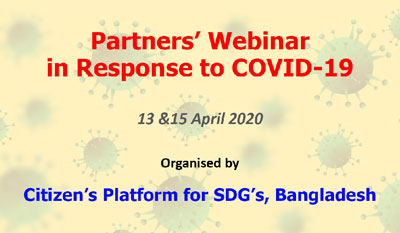
Non-State Actors (NSAs) of Bangladesh have been contributing to the COVID-19 response activities across the country. As the economic slowdown, caused by the pandemic, affects the livelihoods of the marginalised communities and people living in hard-to-reach areas, the NSAs of the country are playing an instrumental role in providing support to the affected people.
The non-state actors, such as civil society organisations, private sector, media and development partners, have been contributing in various capacities and extents in Bangladesh’s development journey.
It is the high time for the government, to pass an ‘Anti-Discrimination Act’ to ensure the right-based development of the plain-land indigenous, dalit and other marginalised communities. It is often found that these communities are not properly incorporated in various national censuses.
দেশের সমতলের আদিবাসী ও দলিত জনগোষ্ঠীর প্রতি বৈষম্য নিরসন এবং তাদের অধিকারভিত্তিক উন্নয়ন নিশ্চিতকরণে সরকারকে “বৈষম্য বিরোধী আইন” প্রণয়ন করতে হবে। দেশের সমতলের আদিবাসী ও দলিত জনগোষ্ঠীর প্রকৃত সংখ্যা নিরুপণ ও বিষয়ভিত্তিক তথ্য সংগ্রহের মাধ্যমে বিভিন্ন জাতীয় নীতিমালায় তাদের উন্নয়ন চাহিদাসমূহ অন্তর্ভূক্ত করা প্রয়োজন। এছাড়া দেশের স্থানীয় ও জাতীয় পর্যায়ে শিক্ষা, কর্মসংস্থান ও ক্রীড়া ক্ষেত্রে সমতলের আদিবাসী ও দলিত জনগোষ্ঠীর যুবসম্প্রদায়ের সুযোগ সৃষ্টির মাধ্যমে সমতলের আদিবাসী ও দলিত জনগোষ্ঠীর জীবনমান উন্নয়নে সরকারের বিশেষ কার্যক্রম গ্রহন করা প্রয়োজন।
Non-state actors including NGOs, think tanks, media and private sectors, in developing countries, like Bangladesh, are playing a critical role in implementing the Sustainable Development Goals (SDGs). They are contributing in this SDG journey through prioritising development agenda, implementing the targets, monitoring the delivery and ensuring accountability in the overall process. Their contribution in the development discourse needs to be appreciated properly so that the governments and international development partners can forge a comprehensive strategy for SDG delivery.
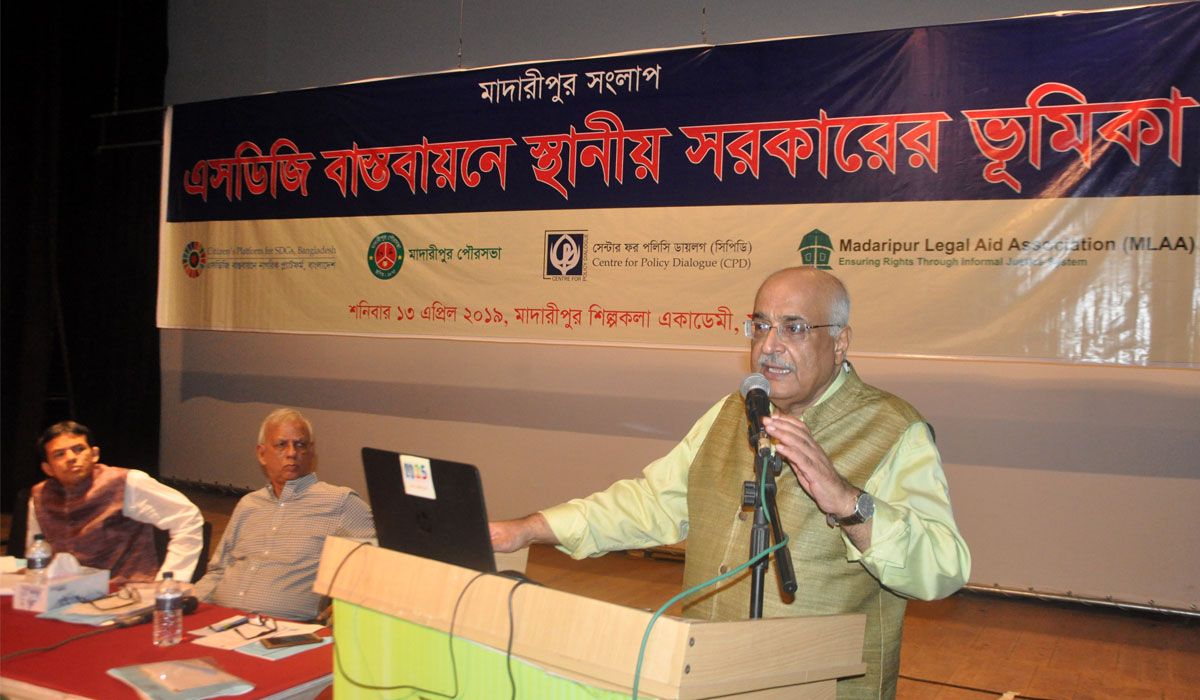
The local government needs to play an effective role in ensuring that the benefit of the Sustainable Development Goals (SDGs) reaches all. Thus, enhanced participation in the SDGs implementation process and empowerment of the local government is vital. A “Local Government Commission” can be formed to ensure proper harmonisation among the ministries and the administration and also to strengthen the voice of the local government.
It is high time for the policymakers to reflect the youth aspirations in the national agenda and implement the election commitments. These views were shared at a dialogue on Electoral Commitments and Youth Agenda on 22 February 2019 in Rangpur.
গত ররিবার ৬ মে ২০১৮ সিলেটে আয়োজিত এক নাগরিক সংলাপে এসব পরামর্শ ও বক্তব্য উঠে আসে। এসডিজি বাস্তবায়নে নাগরিক প্ল্যাটফর্ম, বাংলাদেশ ও ব্র্যাক-এর যৌথ আয়োজনে “বৈশ্বিক উন্নয়ন এজেন্ডার আলোকে অভিবাসন চ্যালেঞ্জঃ প্রসঙ্গ বাংলাদেশ” শীর্ষক এই সংলাপ আয়োজিত হয়।