

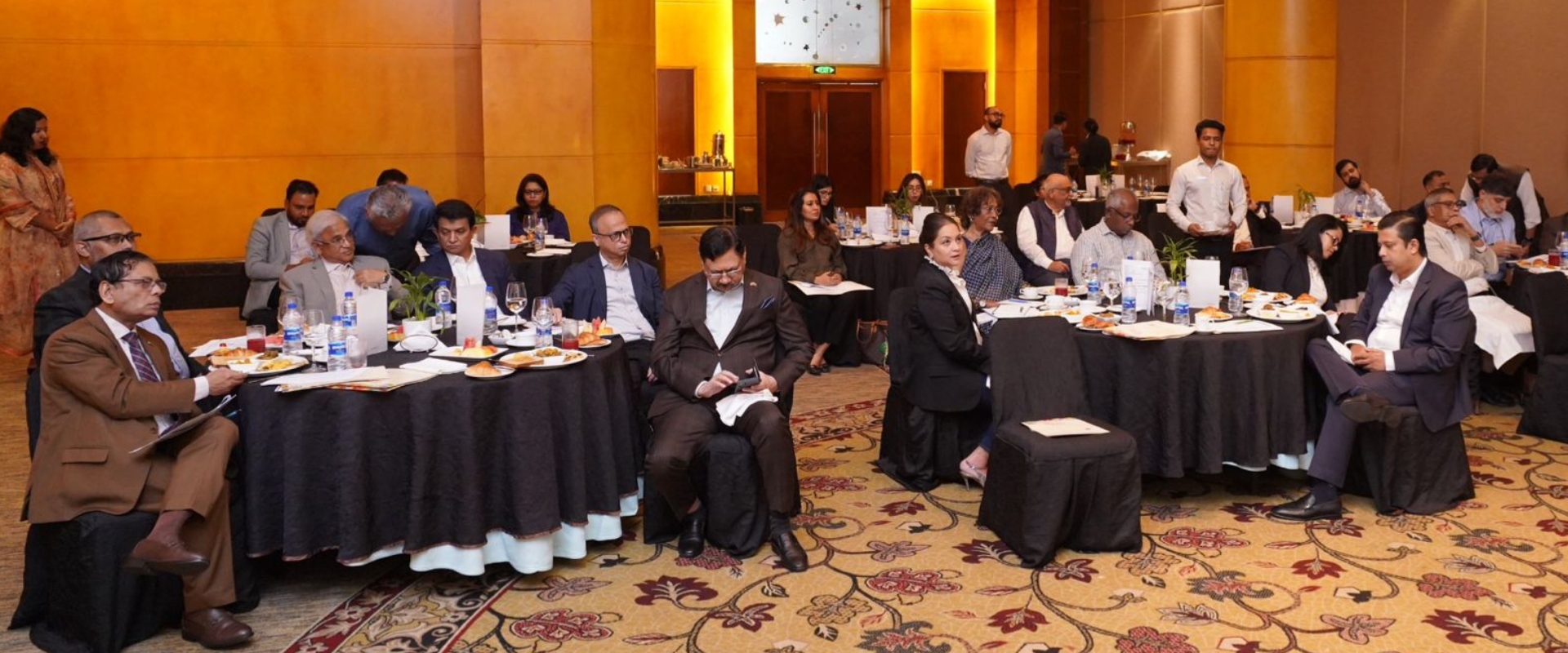
As Bangladesh prepares for its transition from the Least Developed Country (LDC) category while navigating an increasingly uncertain global economic landscape, leading business leaders, industry representatives, financial institutions, and policy experts have called for a coordinated sustainability agenda that positions sustainability as a strategic driver of competitiveness rather than merely a compliance requirement. The call came during a high-level consultative meeting organised by the Citizens’ Platform for SDGs, Bangladesh to introduce the proposed Sustainability Business Forum: Beyond Export, Across the Supply Chain.
The proposed Sustainability Business Forum seeks to establish a multi-stakeholder platform that brings together the private sector, policymakers, financial institutions, development partners, and other stakeholders to strengthen sustainable business practices in Bangladesh. Building on the Citizens’ Platform’s convening power and analytical capacity, the Forum aims to support evidence-based policy reforms, promote responsible business conduct, and foster dialogue on sustainability challenges extending beyond export-oriented industries to the broader domestic supply chain.
The initiative comes at a time when Bangladesh is confronting multiple transitions. Alongside preparations for LDC graduation and the country’s aspiration to attain upper-middle-income status, businesses are facing increasingly stringent environmental, social and governance (ESG) requirements, evolving international compliance standards, geopolitical uncertainties, and shifting global market expectations. These developments have reinforced the need for stronger institutional readiness, policy reforms, and greater collaboration between the public and private sectors to ensure that sustainability becomes an integral component of Bangladesh’s future growth strategy.
Presenting the concept of the Forum, Dr Debapriya Bhattacharya, Convener of the Citizens’ Platform for SDGs, Bangladesh and Distinguished Fellow at the Centre for Policy Dialogue (CPD), argued that Bangladesh’s transition towards a sustainable economy will require stronger leadership from the private sector alongside an enabling policy environment. He noted that sustainability should be viewed not simply as an obligation imposed by international markets but as an opportunity to enhance competitiveness, strengthen governance, and improve long-term business resilience. He outlined three broad areas through which the Forum intends to contribute: generating evidence and research on sustainability practices, fostering strategic collaboration among stakeholders beyond the business community, and advancing public policy reforms that facilitate sustainable economic transformation.
Chairing the session, Syed Nasim Manzur, Managing Director of Apex Footwear Limited and Core Group Member of the Citizens’ Platform for SDGs, Bangladesh, emphasised that sustainability has become a strategic necessity for Bangladesh’s private sector. He called for a shift from a labour-intensive, preference-driven growth model towards a knowledge-driven and innovation-oriented economy, highlighting the importance of reliable data, transparent governance, and stronger institutional representation of the private sector in policymaking. He also noted that while investments in sustainability often require significant upfront costs, their long-term economic and social returns justify sustained commitment from both businesses and policymakers.
The discussion brought together representatives from major business associations, manufacturing industries, financial institutions, chambers of commerce, and development organisations, who broadly agreed that sustainability must be embedded within Bangladesh’s broader economic development agenda rather than treated as a standalone compliance exercise.
A recurring theme throughout the discussion was the need to address governance challenges that continue to undermine business competitiveness. Participants underscored the importance of reducing bureaucratic barriers, tackling corruption, ensuring policy consistency, strengthening regulatory institutions, and creating greater opportunities for meaningful private sector engagement in public policymaking. Several speakers also stressed that stronger accountability mechanisms and improved governance would be essential for enabling businesses to invest confidently in sustainable practices.
Business leaders also identified sustainable finance and access to renewable energy as critical priorities for Bangladesh’s sustainability transition. Discussions highlighted the importance of expanding sustainability-linked financing, improving access to green finance, strengthening renewable energy infrastructure, and creating policy incentives that enable businesses to adopt environmentally responsible production processes. Participants observed that while sustainability requirements continue to increase globally, many enterprises—particularly small and medium-sized businesses—still face significant financial and technical barriers to meeting emerging standards.
Participants further emphasised the growing importance of supply-chain transparency, traceability, and preparedness for emerging international regulatory frameworks such as the European Union’s Carbon Border Adjustment Mechanism (CBAM). They noted that strengthening responsible business conduct, improving sustainability reporting, and engaging international brands as partners in shared responsibility will be crucial for maintaining Bangladesh’s export competitiveness in global markets. At the same time, speakers argued that sustainability discussions should extend beyond export-oriented industries to include domestic market-oriented enterprises, small producers, and emerging sectors whose contributions are equally important to Bangladesh’s economic transformation.
Another strong message emerging from the consultation was the importance of improving Bangladesh’s international sustainability narrative. Participants observed that despite significant progress made by many Bangladeshi businesses in adopting sustainable practices, these achievements often remain under-recognised globally. They stressed that the Forum should help document and communicate successful sustainability initiatives, strengthen international partnerships, and project a more accurate and positive image of Bangladesh’s private sector.
The consultation concluded with broad consensus on three priority areas for the proposed Sustainability Business Forum: tracking reforms that address governance bottlenecks affecting businesses; promoting sustainable finance and renewable energy solutions; and strengthening Bangladesh’s global reputation by highlighting the country’s sustainability achievements. Participants also recommended that the Forum facilitate constructive dialogue between the private sector and policymakers, engage workers and international brands in advancing responsible business practices, and promote evidence-based solutions to support Bangladesh’s long-term sustainability transition.
Summarising the discussion, Asif Ibrahim, Core Group Member of the Citizens’ Platform for SDGs, Bangladesh and Vice Chairman of NewAge Group, observed that the breadth of issues raised during the consultation demonstrated both the urgency and the relevance of establishing a dedicated Sustainability Business Forum. He emphasised that as sustainability increasingly shapes global markets, Bangladesh’s future economic competitiveness will depend on its ability to foster ethical business practices, strengthen institutional reforms, and build collaborative partnerships capable of supporting sustainable and inclusive economic development.
Leave A Comment